Chinese Hiragana: A Font That Feels Like a Vacation
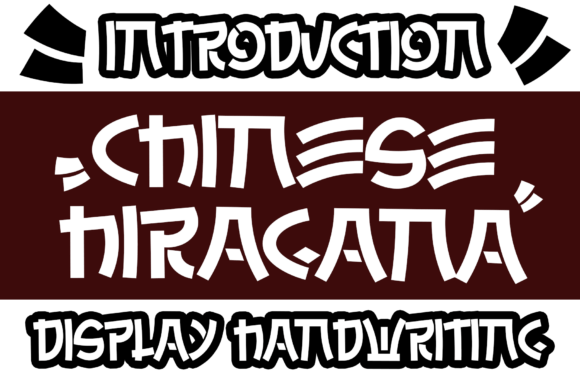
Sun-drenched afternoons, the sound of waves, the easy rhythm of a day with no agenda—that’s the feeling Chinese Hiragana captures in every letter. This neat and casual display typeface isn't just a set of characters; it's a visual sigh of relief. With its clean lines and an unmistakably easygoing vibe, it’s the typographic equivalent of kicking off your shoes. For designers, entrepreneurs, and creators tired of overly rigid or formal fonts, Chinese Hiragana offers a breath of fresh air, perfect for projects that need to communicate fun, relaxation, and approachability.
More Than a Name: The Visual Appeal of This Playful Typeface
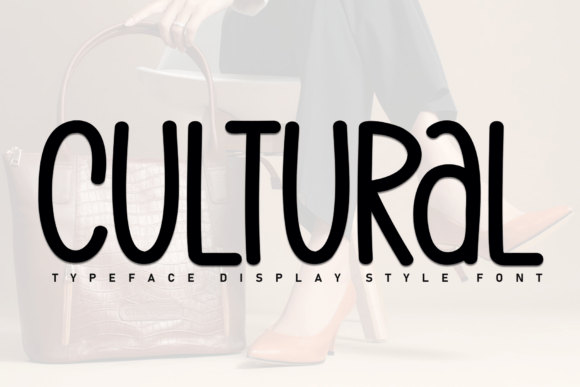
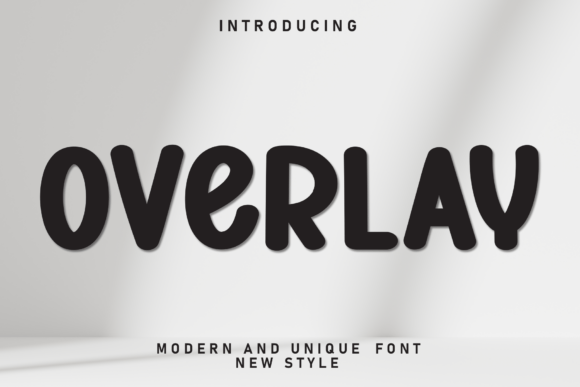
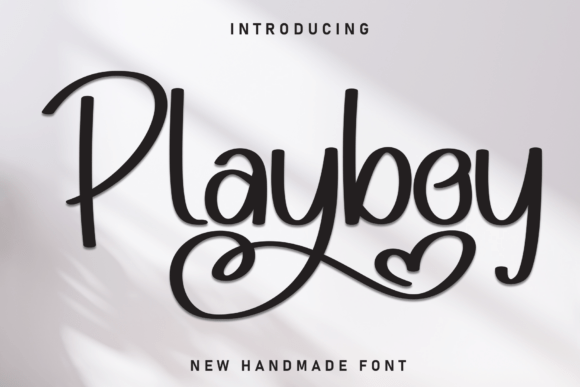
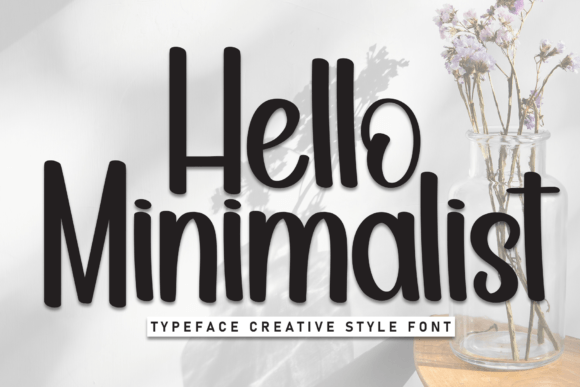
First impressions matter, and Chinese Hiragana makes a distinctly cheerful one. It avoids the stiffness of traditional serif fonts and the sometimes cold precision of a modern sans serif. Instead, it lands in a sweet spot of casual legibility. The letterforms are characterized by soft, rounded edges and a gentle, organic flow that feels handwritten yet remains exceptionally clear. This balance is its superpower. It doesn’t sacrifice readability for personality, making it a versatile creative font for both digital screens and printed materials. The overall effect is a typeface that feels personal and inviting, immediately setting a friendly tone for any message it carries.
This visual personality makes it a standout choice for projects where you want to build an instant, positive connection. Think of a local coffee shop’s weekend special board, the logo for a handmade soap brand, or the header for a travel blog. In each case, the font does more than convey information—it communicates a feeling. It suggests that the brand or project behind it is approachable, creative, and doesn’t take itself too seriously, all while maintaining a professional presentation.
From Beach Tote to Website Header: Practical Applications
The true test of any design asset is its real-world utility. Chinese Hiragana shines across a surprising range of applications, thanks to its balanced personality. Its strength lies in contexts where you want to capture attention without creating visual tension.
- Branding & Logo Design: Ideal for businesses in the wellness, lifestyle, food, or creative sectors. A bakery, a yoga studio, or a boutique travel agency could use it for their logo to instantly convey a relaxed, welcoming vibe.
- Packaging Design: Imagine this font on a bottle of artisanal lemonade, a box of tropical-themed cookies, or summer skincare products. It promises a delightful, unpretentious experience before the product is even used.
- Social Media Graphics & Marketing Assets: In the fast-scrolling world of Instagram or Pinterest, a breezy, readable display font stops thumbs. Use it for quote graphics, promotional announcements, or story overlays to boost audience engagement with a friendly feel.
- Print Materials & Invitations: Perfect for event flyers for a community fair, a summer music festival, or a casual backyard wedding. It sets the right mood for an event that’s meant to be fun and low-pressure.
- Merchandise & Editorial Layouts: From tote bags and t-shirts to magazine headers for travel or lifestyle features, this typeface adds a touch of laid-back cool that resonates with a wide audience.
Building a Cohesive Brand Feel with the Right Font Choice
Choosing a font is a strategic decision that directly impacts brand recognition and visual consistency. When your typography aligns with your brand’s core personality, every touchpoint—from your website to your email signature—feels unified. Chinese Hiragana isn’t just a decorative choice; it’s a tool for building a specific brand identity. If your brand’s voice is warm, helpful, and cheerful, this font becomes a visual extension of that voice.
This consistency is crucial for professionalism. A mismatch between a brand’s messaging and its visual presentation can create subconscious distrust. By using a typeface like Chinese Hiragana consistently across all platforms, you reinforce your brand’s character, making it more memorable and recognizable. This is where a premium font investment pays off, offering a unique personality that helps you stand out from the crowd of generic templates and overused typefaces.
Making It Work: Pairing and Practical Tips
No font is an island. To get the most out of Chinese Hiragana, consider how it interacts with other design elements. Here’s some practical advice for implementation:
- Font Pairing is Key: As a display font, it’s best used for headlines, titles, and short bursts of impactful text. Pair it with a clean, highly readable sans serif or a simple serif font for body copy. For example, Chinese Hiragana for a poster headline could be complemented by a font like Open Sans or Lora for the event details, ensuring all information is easy to digest.
- Test for Readability in Context: Always test your chosen font pairing at the actual size it will be used. A font that looks perfect on a large poster might become illegible as a small caption on a mobile screen. Preview it on different devices and in print proofs if possible.
- Review the Full Family: A quality creative font often comes with multiple styles (e.g., regular, bold, italic). Explore these options within Chinese Hiragana to create visual hierarchy—using a bolder weight for main headings and the regular weight for subheadings, for instance.
- Understand Your License: If you’re using the font for commercial projects—like client work, merchandise for sale, or paid digital products—ensure you have the correct commercial license. This is a critical step to avoid legal issues down the line and is a mark of a professional designer or business owner.
Ultimately, the best typography feels invisible in its support of the message. Chinese Hiragana excels when you need to deliver a message with a smile. It’s a design asset that brings a breezy, laid-back feel to creative projects, helping you connect with your audience on a more human and relaxed level. Whether you’re designing a one-off invitation or building an entire brand system, this typeface is a valuable tool for injecting positivity and approachability into your visual communication.