Crafty Alphabet: A Font with a Twist for Your Boldest Ideas
There are moments in every creative project where you feel a spark is missing. You’ve got the perfect image, a compelling message, and a clear vision, but the text just sits there, looking flat. This is where typography steps in, not as a mere vessel for words, but as a vital part of the story. Imagine a typeface that doesn’t just convey information but injects personality, a font that feels like a handshake with your audience—confident, memorable, and full of character. That’s the kind of energy a well-chosen display font brings to the table.
More Than Just Letters: The Personality of a Display Typeface
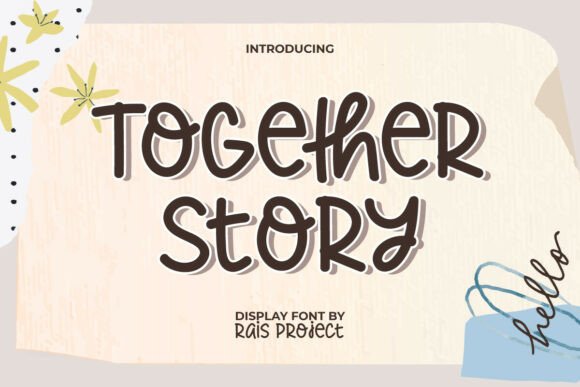
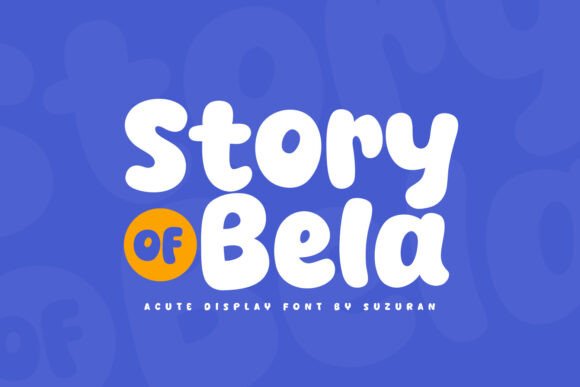
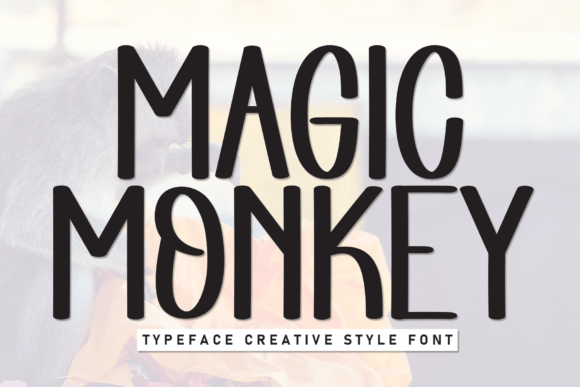
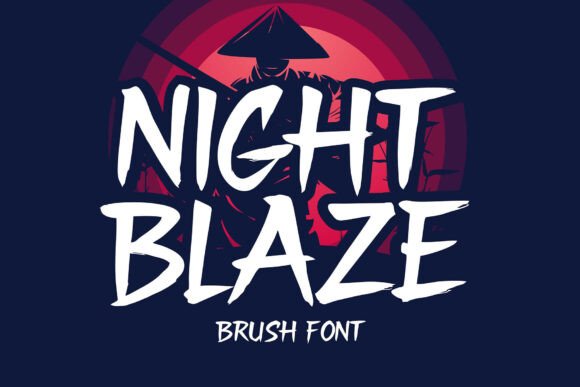
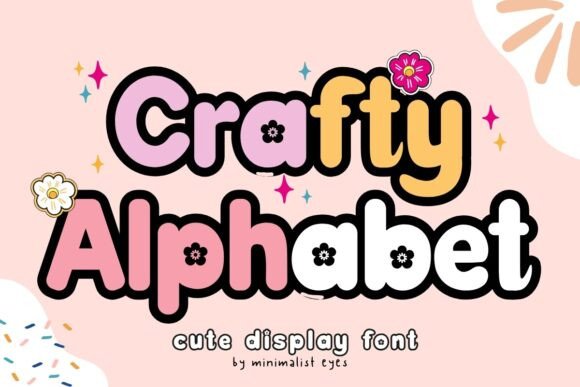
A display font, by its nature, is designed to make a statement. Unlike the quiet workhorses of body text, these typefaces are built for impact. Crafty Alphabet is a prime example of this category, offering a playful boldness that’s impossible to ignore. It’s not about being loud for the sake of it; it’s about having a distinct voice. The letterforms might feature unexpected curves, uneven baselines, or a hand-crafted texture that gives each character a sense of individuality. This isn’t a sterile, geometric sans serif font you’d use for a legal document. Think of it as the typeface equivalent of a vintage shop sign, a hand-lettered poster, or a quirky illustrated book cover. Its charm lies in its imperfections, which make it feel authentic and approachable.
For anyone working on a brand identity, this kind of personality is gold. It helps create an immediate emotional connection. A small business selling artisanal goods, a blog with a whimsical aesthetic, or a children’s product line could use a font like this to instantly communicate warmth, creativity, and a hands-on ethos. It tells your audience that there’s a human behind the design, not just a corporation.
Putting Crafty Alphabet to Work: From Screen to Shelf
Theory is nice, but where does a font like this actually shine? The applications are surprisingly versatile, bridging the gap between digital and physical projects.
For branding and logos: A logo set in Crafty Alphabet can become the cornerstone of a memorable identity. It’s perfect for a café, a boutique, a freelance creative, or any venture that wants to stand out from a sea of minimalist wordmarks. Pair it with a simple, clean sans serif font for your body copy, and you’ve got a dynamic system that’s both engaging and readable.
In packaging design: On a shelf, you have seconds to grab attention. A premium font with this much character can make a product pop. Use it for the product name on a coffee bag, a jam jar label, or a cosmetic box. It suggests care, quality, and a story, which is exactly what consumers are looking for in crowded markets.
Across social media and digital content: In a scroll-stopping landscape, typography is a key player. Crafty Alphabet can transform a simple Instagram quote graphic, a YouTube thumbnail, or a Pinterest pin into something shareable. It helps maintain visual consistency across your platforms, making your content instantly recognizable as yours. For web design, it’s ideal for hero sections, featured article titles, or call-to-action buttons where you need to make a strong impression without overwhelming the page.
For print and merchandise: Think beyond the screen. This typeface is a fantastic choice for poster design, event flyers, wedding invitations, or book covers. It can add a layer of sophistication and fun to editorial design in magazines or newsletters. And for merchandise like t-shirts, tote bags, or mugs, a creative font like this becomes the design itself, turning text into wearable or usable art.
Finding the Right Fit: Practical Tips for Choosing and Pairing
Choosing a font is a design decision, not just a decoration choice. Here’s how to think about using a typeface like Crafty Alphabet effectively.
Know your project’s goal. Is the aim to feel friendly and handmade? Or bold and rebellious? The “crafty” style leans toward the former. It’s excellent for projects where approachability and creativity are paramount. If you’re designing for a law firm or a medical clinic, you might want to steer toward a more neutral serif font or sans serif.
Master the art of font pairing. A display font rarely works alone. The key is contrast. Since Crafty Alphabet has a strong personality, it pairs beautifully with simpler, more geometric typefaces. Try it with a humanist sans serif for a friendly, modern look, or with a classic serif for a touch of unexpected elegance. The goal is for the two fonts to complement, not compete. Use your display font for headlines and your paired font for paragraphs.
Don’t sacrifice readability. This is non-negotiable. While a font might be gorgeous, if people can’t easily read it, it fails. Crafty Alphabet is designed for short bursts of text—headlines, logos, and titles. Using it for a full paragraph of 12-point body text would be a mistake. Always test your designs at the size they’ll be viewed. Print a test page. View it on a phone screen. If you squint, it’s not working.
Check the font family. A robust font will come with more than one style. Look for variations like regular, bold, italic, or even outline versions. This gives you flexibility within your design system, allowing you to create hierarchy and emphasis while keeping the core personality intact. Also, investigate the commercial license. If you’re using it for client work, merchandise, or a business, you need to ensure you have the proper rights. Reputable font foundries make this clear.
Crafting a Cohesive Visual Language
Ultimately, a font is a tool for building brand recognition and a professional presentation. When you consistently use a typeface like Crafty Alphabet across your touchpoints—from your website header to your email signature to your product tags—you create a thread that ties everything together. Your audience starts to associate that visual style with your values and offerings.
It’s about making intentional choices. Does this font reflect the tone of my voice? Does it appeal to my ideal customer? Does it work across the different mediums I use? A handwritten font or a quirky display typeface isn’t a universal solution, but in the right context, it’s a powerful differentiator. It can elevate a simple blog post into a branded experience, turn a standard invitation into a keepsake, and make a social media graphic stop the endless scroll.
So, the next time you’re facing a blank canvas, consider the voice of your typography. Let a typeface with character, like Crafty Alphabet, be part of your creative toolkit. It might just be the missing piece that transforms a good design into one that truly connects and endures.