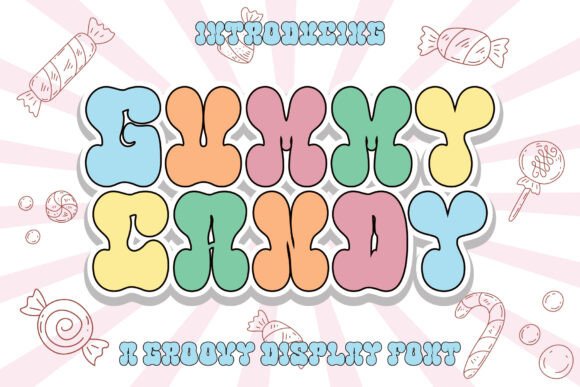
Gummy Candy: A Playful Retro Font for Creative Projects
There's a certain magic in typography that can instantly evoke a feeling. A single typeface can transport you to a 1950s diner, a futuristic interface, or a cozy, hand-lettered note. For designers, marketers, and creators seeking to inject a dose of nostalgic charm and vibrant personality into their work, the right font isn't just a tool—it's a storytelling device. Enter Gummy Candy, a display typeface that captures the groovy, stylish spirit of retro design while offering a surprisingly versatile foundation for modern branding and creative projects.
Understanding the Visual Appeal
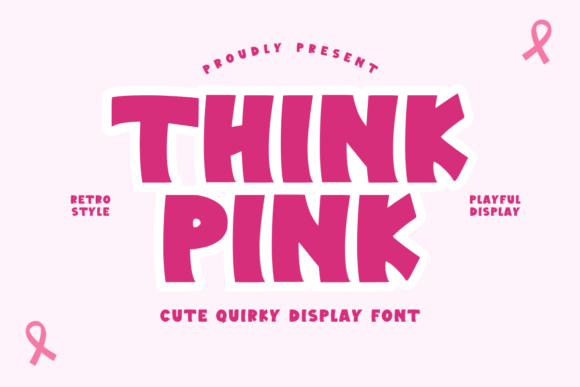
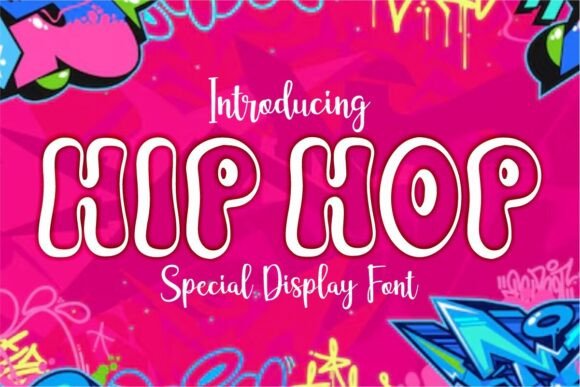
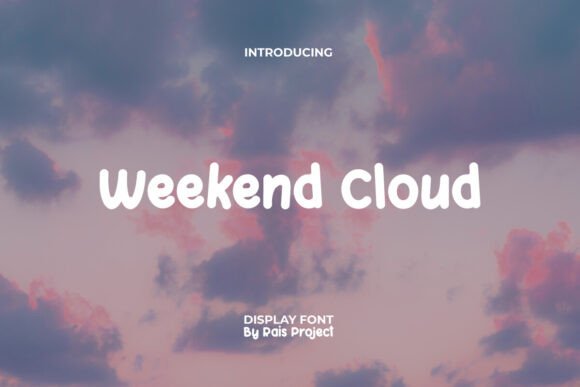
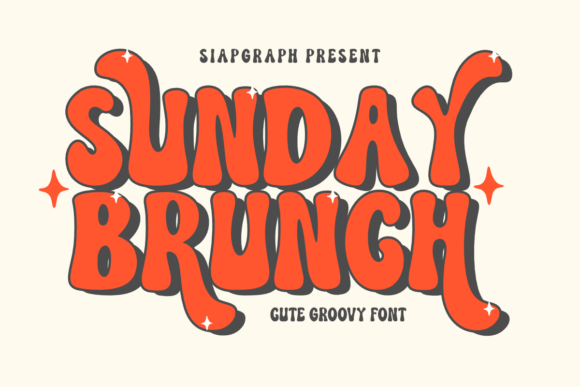
At its core, Gummy Candy is a premium display font characterized by its playful, rounded forms and a distinct retro flair. Its letterforms feel both friendly and stylish, balancing boldness with a certain softness that makes it approachable. This isn't a stiff, corporate serif font or a minimalist sans serif font. Instead, it lives in the realm of expressive typeface design, where personality takes center stage. The "gummy" quality refers to its plump, almost chewy aesthetic, while the "candy" aspect points to its sweet, engaging vibe. This combination makes it particularly effective for projects that aim to feel romantic, exquisite, or simply full of character.
What sets it apart in the sea of creative fonts is its ability to feel both retro and fresh. It nods to mid-century advertising and 70s psychedelia without feeling dated. This makes it a valuable design asset for anyone looking to create a brand identity that stands out with a unique, memorable visual voice.
Practical Applications Across Industries
The true test of any commercial font is its real-world application. Gummy Candy's stylish and groovy nature opens doors to a wide spectrum of uses, making it more than just a novelty. Here’s how it can be strategically deployed:
- Branding & Logo Design: For businesses targeting a youthful, energetic, or creative demographic—think boutique bakeries, indie cosmetics brands, lifestyle blogs, or retro-themed cafes—this font can become the cornerstone of a logo design. Its distinctive shape ensures high brand recognition.
- Packaging Design: On product labels, boxes, and wrappers, Gummy Candy commands attention. It’s perfect for snack foods, artisanal goods, or children's products where the goal is to convey fun and quality. It helps create professional presentation that pops on the shelf.
- Digital Presence: In the realm of web design and social media graphics, this font shines in headlines, call-to-action buttons, and featured quotes. It boosts audience engagement by adding a burst of personality to otherwise standard layouts. Use it for Instagram story templates, Pinterest pins, or YouTube thumbnails to grab scrolling attention.
- Print & Editorial Layouts: Don't limit it to the digital space. Gummy Candy can elevate editorial design in magazines, book covers, or poster layouts. It’s also a fantastic choice for invitations, greeting cards, and event posters where a romantic or festive tone is desired.
- Merchandise & Marketing Assets: From t-shirts and tote bags to stickers and promotional flyers, this display font translates beautifully onto physical merchandise. It adds a cohesive, stylized look to any marketing assets, reinforcing brand personality across all touchpoints.
Its versatility extends to digital products as well. Think about using it for ebook chapter headings, online course slide decks, or printable planners. The goal is visual consistency; using a distinctive font like this across various platforms helps weave a unified brand story.
Strategic Integration and Pairing
While Gummy Candy is impactful, using a display font effectively requires a thoughtful strategy. Its primary strength is in headlines, logos, and short bursts of text where its personality can be fully appreciated. For body copy or longer paragraphs, readability is paramount. This is where font pairing becomes essential.
A practical approach is to pair Gummy Candy with a clean, highly readable sans serif font or a simple serif font. For example:
- Use Gummy Candy for the main headline or brand name.
- Pair it with a neutral sans serif like Open Sans or Lato for subheadings and body text.
- This creates a clear hierarchy, ensuring the playful font enhances rather than overwhelms the message.
When matching typography to project goals, consider the mood you're setting. Gummy Candy leans into romance and playfulness, making it ideal for wedding invitations, boutique branding, or lifestyle content. For more serious or technical subjects, it might not be the best fit. Always test font pairings in context—see how they look on your website mockup, in a sample social media post, or on a printed draft. This hands-on testing is crucial for assessing both aesthetics and functionality.
Finally, a note on licensing. As a premium font, it typically comes with specific terms for commercial use. Before incorporating it into client work or products for sale, carefully review the included font styles and the licensing agreement. This due diligence ensures your project is both beautiful and legally sound, allowing you to use this modern typography tool with confidence. By thoughtfully integrating a font like Gummy Candy, you move beyond mere decoration to create deliberate, emotionally resonant design that truly connects with your audience.