Milek Typeface: Bold Display Font for Modern Creatives
Every designer knows the moment when a project feels almost there—colors locked, layout balanced, content finalized—but something's missing. The typography doesn't quite hit the mark. It's too safe, too expected, or simply lacks the personality needed to make the work stand out. That gap between good and unforgettable often comes down to font choice, and finding one that bridges creativity with professionalism can transform the entire visual experience.
A Typeface Built for Attention
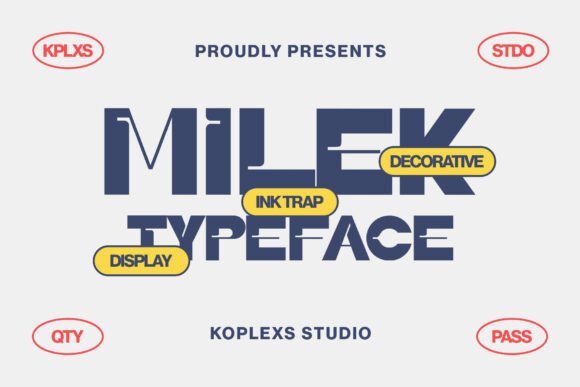
Milek Typeface enters the scene as a bold, decorative display font designed specifically for projects that need to command attention without sacrificing sophistication. What sets it apart visually? The answer lies in its distinctive ink-trap details—subtle structural elements originally designed to prevent ink buildup during printing, now reimagined as deliberate design features that add depth, texture, and character to every letterform.
These ink traps aren't just decorative flourishes. They create visual interest at larger sizes, giving each character a sense of craftsmanship that generic fonts simply can't replicate. When you set a headline in Milek, the letters don't just sit on the page—they have presence, dimension, and a modern edge that feels both intentional and innovative.
The overall design language balances contemporary aesthetics with timeless appeal. Clean geometric foundations meet carefully considered details, resulting in a typeface that feels current without being trendy. It's the kind of font that won't look dated in two years, which matters enormously for branding and long-term design systems.
Where Milek Truly Shines
Understanding a font's strengths helps you deploy it effectively. Milek's bold personality and decorative qualities make it particularly well-suited for specific applications where visual impact is paramount.
Logo design and brand identity benefit enormously from Milek's distinctive character. A logo set in a memorable typeface becomes easier to recognize and recall. Think about brands you remember instantly—their typography plays a massive role. Milek offers enough personality to become a recognizable brand element while remaining versatile enough to work across different contexts, from business cards to billboards.
Packaging design presents another natural fit. On crowded shelves—physical or digital—products have roughly three seconds to capture attention. A bold display font like Milek on product packaging, labels, or box designs can communicate quality, creativity, and confidence before a customer reads a single word of copy. The ink-trap details add a tactile quality that translates beautifully to printed packaging materials.
Social media graphics and digital content demand fonts that remain impactful even at smaller sizes on mobile screens. Milek's bold weight and clear letterforms hold up well in feed posts, story templates, thumbnail text, and promotional graphics. Content creators and social media managers can use it for quote graphics, announcement posts, sale banners, and carousel headers that need to stop the scroll.
Posters, invitations, and print materials call for typography that creates atmosphere. Event posters, wedding invitations, festival flyers, gallery announcements, and editorial layouts all benefit from a display font that sets a mood. Milek brings enough decorative flair to feel special without becoming illegible or overwrought.
Websites and blogs can incorporate Milek strategically for headings, hero text, section titles, and call-to-action buttons. While body text typically needs a more neutral companion font, display headings set in Milek create visual hierarchy and draw readers into the content. This approach works particularly well for creative portfolios, agency websites, lifestyle blogs, and online stores.
Merchandise and apparel design thrives on bold typography. T-shirt graphics, tote bags, mugs, stickers, and print-on-demand products often rely on a single impactful phrase or word. Milek's decorative quality makes it ideal for merchandise where the typography itself becomes the design element.
Making Typography Work Harder for Your Brand
Choosing a distinctive typeface like Milek is only the first step. How you implement it determines whether it actually improves your visual communication or just adds visual noise.
Start by identifying where a bold display font will have the greatest impact in your existing materials. Most brands and projects benefit from a clear typographic hierarchy: a display font for headlines and emphasis, paired with a more neutral font for body text and supporting information. This contrast creates visual interest while maintaining readability. Milek works beautifully alongside clean sans serif fonts for digital projects or classic serif fonts for editorial and print work.
Test your font pairings before committing. Set sample text at the sizes you'll actually use—don't just look at the typeface in isolation at a single size. A heading font needs to work at 48 pixels on a website, 72 points on a poster, and potentially 14 points on a business card. Check how Milek performs across these contexts. Most well-crafted display fonts include multiple weights or styles that give you flexibility, so explore everything included in the package.
Readability should always guide your decisions. A decorative display font earns its place by being both beautiful and functional. If your audience can't read the text quickly, the design fails regardless of how striking it looks. Milek's letterforms maintain clarity even with their decorative ink-trap details, but context matters. Use it where readers encounter it at appropriate sizes—headlines, titles, short phrases—rather than for long paragraphs of text.
Visual consistency across your brand materials builds recognition over time. When you select Milek as part of your brand's type system, commit to using it consistently. The same font on your website headers, social media templates, email graphics, and printed materials creates a cohesive visual identity that audiences begin to recognize and associate with your work.
Practical Considerations Before You Start
Before integrating any premium font into your workflow, a few practical steps save headaches later.
Review the complete font package to understand what's included. Does it offer multiple weights, italic styles, or alternate characters? Are there ligatures or stylistic sets that add versatility? Knowing the full range of options helps you get maximum value from the typeface and plan how to use it across different project types.
Licensing matters more than many people realize, especially for commercial work. If you're designing for clients, selling merchandise, or using the font in products for sale, ensure your license covers those uses. Most premium fonts offer clear commercial licensing, but the specifics vary. A font that works perfectly for personal projects might require an extended license for certain commercial applications. Read the terms before you design, not after.
Consider your audience and project goals when selecting which style or weight to use. A tech startup's brand identity calls for different typographic energy than a boutique bakery's packaging. Milek's bold, modern character suits projects aiming for contemporary sophistication, creative confidence, and visual distinctiveness. If your project needs whisper-quiet elegance or traditional formality, a different typeface might serve better—and that's perfectly fine.
Finally, don't overlook the power of restraint. A bold display font makes the strongest impact when it has room to breathe. Generous spacing, clean layouts, and thoughtful color choices let Milek's design details truly stand out. Sometimes the most effective design decision is using fewer elements with more intention.
Finding the right creative font for your projects isn't about chasing trends or collecting design assets. It's about matching visual communication tools to specific goals—whether that's building a brand identity that resonates, creating marketing materials that convert, or designing digital products that feel polished and professional. When a typeface aligns with your creative vision and practical needs, it becomes more than just letters on a screen. It becomes an integral part of how your audience experiences your work.