More Speed: Capturing Motion in Your Visual Identity
There is a specific feeling you get when you look at a high-performance vehicle or a sprinter at the starting blocks. It is a mix of tension, potential energy, and sharp precision. Translating that kinetic feeling into static design is one of the hardest challenges in visual communication. You need a tool that doesn’t just sit on the page but seems to vibrate with intensity. This is where the right typography choice changes everything. If your project demands attention, urgency, and a modern edge, standard corporate serifs or soft scripts will fall flat. You need a typeface with teeth.
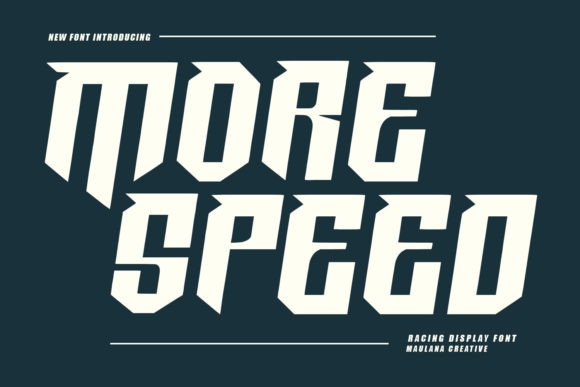
Enter More Speed, a racing display font that embodies the very essence of velocity. This isn’t just a collection of letters; it is a design asset built for impact. With its sharp edges, dynamic lines, and bold structure, it offers that energetic and speedy feel required for high-octane projects. Whether you are launching a new fitness brand, designing a poster for a motorsport event, or creating a thumbnail for a fast-paced gaming channel, this font acts as the visual engine for your message.
The Anatomy of Velocity: Why Sharp Edges Matter
In typography, the shape of the letter communicates a subconscious message to the viewer. Rounded, bubbly letters suggest softness, safety, and approachability. On the other hand, a typeface like More Speed utilizes sharp edges and aggressive angles to communicate danger, excitement, and forward momentum. It is a premium font designed to cut through the noise.
When you look at the characters in this family, you will notice they aren't static. The lines are dynamic, suggesting movement even when standing still. This makes it an ideal choice for modern typography where the goal is to grab attention in a split second. For a small business owner or a content creator, using this style of display font means you don't have to rely solely on imagery to convey your brand's energy. The text itself does the heavy lifting.
Real-World Applications: Beyond the Race Track
While the name suggests motorsports, the utility of a high-impact font extends far beyond racing stripes and checkered flags. Understanding how to apply More Speed across different mediums can help you maintain visual consistency while keeping your audience engaged.
Branding and Logo Design
Your logo is the handshake of your business. If you run a gym, a security firm, a tech startup, or an outdoor adventure company, your handshake needs to be firm. More Speed works exceptionally well for logo design because of its distinct silhouette. It creates a memorable brand mark that suggests efficiency and power. However, because it is so bold, it is often best used for the primary wordmark, perhaps paired with a cleaner sans serif font for taglines to ensure readability.
Digital Presence: Web Design and Social Media
In the world of web design and social media graphics, scroll-stopping power is currency. Headlines set in More Speed act as visual anchors. They draw the eye immediately, which is crucial for blog headers, hero sections on landing pages, or sale announcements on Instagram. For digital products, such as e-books or online courses, using this font for chapter titles or section breaks adds a professional, high-energy layer to the user experience.
Merchandise and Packaging
Physical products need shelf appeal. If you are working on packaging design for an energy drink, a hot sauce, or streetwear apparel, the sharp aesthetic of this typeface translates perfectly to print. It looks fantastic screen-printed on t-shirts or embossed on boxes. The dynamic lines ensure that the branding remains visible and legible even from a distance, which is a key factor in retail environments.
Editorial and Print Materials
Don't discount the power of a bold display font in traditional editorial design. Magazine covers, poster designs, and flyer layouts often suffer from being too bland. Incorporating More Speed for pull quotes or main headers can break up the monotony of long-form text. It provides a visual hierarchy that guides the reader's eye exactly where you want it to go.
Mastering the Pairing Game
One of the most common mistakes creatives make is using a display font for everything. More Speed is a specialist. It is designed to be shouted, not whispered. Therefore, the most critical piece of advice when using this typeface is to focus on font pairing.
Because More Speed has such a strong personality, it requires a quieter partner. You have a few strategic options here:
- The Clean Contrast: Pair it with a geometric sans serif font. The neutrality of the sans serif will let the racing font’s character shine without competing for attention. This is excellent for web design and corporate presentations.
- The Classic Balance: Surprisingly, a traditional serif font can also work well. The contrast between the sharp, modern display font and the classic structure of a serif creates a sophisticated, high-fashion look suitable for editorial layouts or luxury branding.
- The Minimalist Approach: Use it alongside a simple monospaced font for a tech-forward, hacker aesthetic. This works well for gaming channels or digital product branding.
Always test your pairings in context. A combination that looks good on a mood board might look cluttered on a mobile screen. Ensure there is enough whitespace to let the sharp edges of the font breathe.
Readability vs. Impact: Finding the Balance
As a designer or business owner, you must understand the trade-off between style and readability. More Speed is a display typeface, meaning it is intended for large sizes—headlines, titles, and logos. It is not intended for body copy.
If you try to write a paragraph of instructions or a blog post using a font with sharp edges and dynamic lines, your readers will experience eye strain very quickly. The complexity of the letterforms at small sizes turns the text into a visual mess.
Use More Speed for the "hook"—the title that grabs them. Then, switch to a highly legible sans serif or serif font for the actual message. This distinction is vital for professional presentation. It shows that you understand typography rules and respect your audience's reading experience.
Licensing and Commercial Use
For entrepreneurs and professionals, the legal aspect of design assets is just as important as the aesthetic. When downloading a creative font like this, you must verify the licensing terms. Most premium fonts come with specific licenses depending on usage:
- Desktop License: Usually covers installation on your computer for creating logos, print materials, and static images.
- Web License: If you want to use More Speed on your website via CSS, you typically need a specific webfont license (often based on monthly page views).
- App/E-pub License: If you are developing a mobile app or a digital magazine, check if the license covers embedding the font in digital files.
Always read the End User License Agreement (EULA). Ensuring you have the correct rights protects your business from legal headaches down the road and supports the typographers who create these high-quality design assets.
Injecting Energy into Your Next Project
Typography is the voice of your brand. If your brand's voice is fast, loud, and confident, your typography needs to match that energy. More Speed offers a solution for anyone looking to break away from safe, boring defaults. It brings a level of intensity that can transform a standard flyer into a call to action or a basic logo into a powerful brand statement.
Whether you are a hobbyist creating a poster for a local event or a marketing professional launching a global campaign, consider the psychological impact of your font choice. By leveraging the sharp, dynamic nature of this racing font, you aren't just decorating your project; you are defining its speed. Don't just tell your audience you are fast—show them.