The Sweetest Script: Exploring the Charm of the Love Heart Typeface
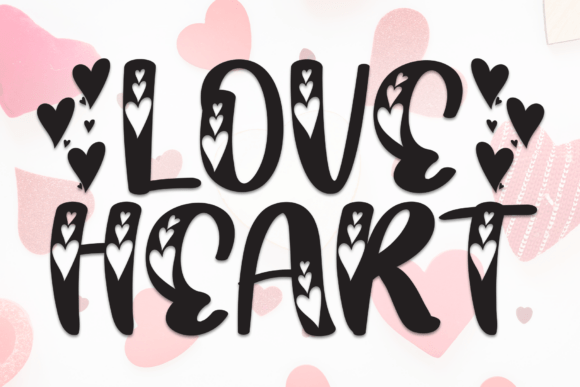
Have you ever scrolled through a feed or browsed a shop and felt an instant connection to a brand simply because of the vibe of its text? There is a distinct power in typography that goes beyond just spelling out words; it is about conveying a feeling. When you need to inject a sense of warmth, nostalgia, and genuine affection into your visual storytelling, you often find yourself searching for a typeface that feels less like a digital file and more like a handwritten note from a friend. This is exactly where the gentle allure of the Love Heart font comes into play. It is not just a collection of letters; it is a design asset that exudes sweetness and friendliness in every single stroke. With its adorable and lively style, it captures the eye immediately, offering a delightful dash of personality that rigid, standard fonts simply cannot replicate.
Understanding the Visual Personality
In the world of modern typography, we often categorize typefaces into rigid boxes: serif fonts for tradition, sans serif fonts for modernity, and script fonts for elegance. However, the best creative fonts often blend these categories to create something unique. Love Heart functions beautifully as a handwritten font, but it carries a distinct character that sets it apart from generic scripts. It possesses a joyous vibe that is visible in the flow of its ligatures and the bounce of its baseline. This isn't the kind of font you use for legal disclaimers or dense body copy; it is a display font designed to be the headline act. It transforms standard text into a captivating narrative full of charm, making it an ideal premium font for those looking to break away from the corporate stiffness of standard web design.
The visual appeal lies in its ability to mimic the imperfections of human handwriting. In a digital landscape that can often feel sterile, this typeface offers a tactile quality. It suggests that a real person is behind the message, which is a crucial element in building trust and engagement with an audience. Whether you are designing a logo for a new startup or creating the header for a personal blog, the visual weight of this font draws the viewer in, inviting them to read more.
Bridging the Gap Between Digital and Physical Design
One of the most valuable traits of a versatile creative font is its ability to translate well across different mediums. You want a typeface that looks just as stunning on a high-resolution screen as it does printed on textured cardstock. This is where the utility of Love Heart truly shines. Because of its clear legibility despite its stylistic flair, it is a powerhouse for a variety of applications.
For small business owners, the packaging design is often the first physical touchpoint with a customer. Imagine a skincare line or a boutique candle brand using this font on its labels. The handwritten style instantly communicates "handcrafted" and "small-batch," adding perceived value to the product without saying a word. Similarly, in the realm of editorial design, this font can be used to pull quotes or chapter headings that need to stand out from the rest of the text. It breaks the monotony of a page layout, guiding the reader’s eye exactly where you want it to go.
Applications for the Modern Creative
When planning your design assets, versatility is key. You want to invest in typography that can serve multiple purposes to maximize your return. Here are some practical scenarios where this specific style of typography excels:
- Invitations and Stationery: This is the font’s natural habitat. For wedding invitations, baby showers, or birthday parties, it sets a celebratory tone immediately. It mimics the elegance of hand-lettering without the cost of hiring a calligrapher.
- Merchandise and Apparel: For t-shirts, tote bags, and mugs, a friendly and bold script works wonders. It is legible from a distance and carries an emotional resonance that generic block letters lack.
- Social Media Graphics: In the fast-paced world of Instagram and TikTok, you have milliseconds to capture attention. A bold, joyful headline font stops the scroll. It is perfect for quotes, announcements, or sale graphics.
- Logo Design: For brands in the lifestyle, food, or wedding industries, a script logo can establish an immediate emotional connection. It suggests friendliness and approachability, which are vital for service-based businesses.
- Website Headers: While you wouldn't use it for your main navigation menu, using a display font like this for your hero section can define the entire mood of your site.
Strategic Typography: Building Brand Recognition
Typography is a silent ambassador for your brand. When you choose a font, you are choosing a voice. If your brand voice is warm, enthusiastic, and creative, then a stiff, geometric sans-serif might create a disconnect between your visuals and your message. By integrating a typeface like Love Heart into your brand identity, you are making a strategic choice to appear more accessible.
Consistency is the bedrock of brand recognition. When you use the same specific typeface across your website, your email newsletters, and your physical packaging, you create a cohesive visual identity. Customers begin to associate that specific visual style with your business. If they see that friendly, handwritten style on a social media post, they will immediately know it is you before they even read the caption. This consistency builds familiarity, and familiarity breeds trust.
Pairing Fonts for Professional Presentation
A common mistake in design is using a single decorative font for everything. While a font like Love Heart is beautiful, using it for long paragraphs can strain the eyes. The key to professional presentation is effective font pairing. This involves combining a "personality" font (the display or header font) with a "workhorse" font (the body copy font).
Since Love Heart has a strong, lively character, it pairs best with something more neutral and grounded. Consider pairing it with a clean sans-serif font like Montserrat, Lato, or Open Sans. The contrast between the organic, flowing curves of the script and the clean, straight lines of the sans-serif creates a visual hierarchy. The script draws attention to the headline, while the sans-serif ensures the detailed information is easy to read. This balance ensures your designs look polished and intentional rather than chaotic.
Practical Considerations for Implementation
Before you download and install any new font, it is worth taking a moment to consider the technical and legal aspects of the asset. First, look at the included font styles. Does the package come with a bold version? Does it include alternates or swashes? Having access to multiple weights and stylistic sets gives you more creative freedom to customize the text and avoid repetition in your designs.
Next, always review the commercial licensing. If you are a freelancer designing for a client, or a business owner using the font on merchandise you sell, you need to ensure you have the correct license. "Free for personal use" is a common restriction; if you are using it for commercial purposes—which includes anything that generates revenue or promotes a business—you need a commercial license. Respecting these terms protects you legally and supports the type designers who create these tools.
Finally, test for readability. While a font might look beautiful in a large preview image, shrink it down to the size it will appear on a mobile phone screen. Is it still legible? Does the "Love" connect in a way that makes the "L" hard to distinguish? Always test your typography in context. Print out a sample if you are designing for physical products. This attention to detail separates amateur designs from professional, high-converting assets.
Ultimately, choosing a font is about finding the right tool to tell your story. If your story is one of joy, warmth, and creativity, then finding a typeface that embodies those traits is essential. It is about more than just aesthetics; it is about communication. By selecting a style that resonates with your audience, you turn simple text into an experience, ensuring your message is not just seen, but felt.