Gloomy Phobia: When Your Design Needs a Touch of Terror
Imagine a desolate, eerie forest cloaked in fog, the distant crack of twigs, whispers echoing in the cold air. This is the exact atmosphere Gloomy Phobia is designed to evoke. This isn't just another display font; it's a tool for crafting narratives of suspense, mystery, and outright horror. For designers, content creators, and entrepreneurs working on projects that demand a spine-chilling aesthetic, this typeface offers a direct line to the uncanny valley. Its jagged edges, distressed textures, and deliberate imperfections feel less like digital letterforms and more like something clawed from a nightmare, making it a powerful asset for specific creative missions.
The Anatomy of a Haunting Typeface
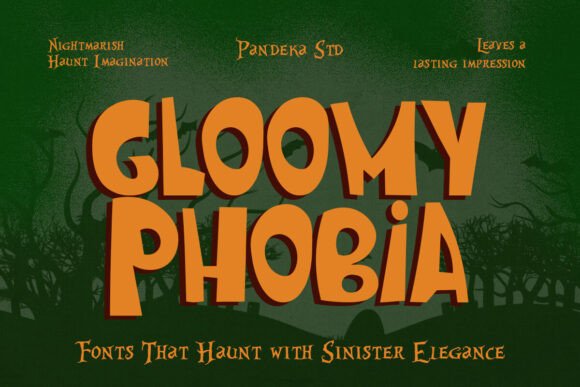
What makes Gloomy Phobia visually compelling is its commitment to a singular, unsettling vision. It eschews clean lines and predictable curves for a more organic, distressed appearance. The letterforms seem to drip, crack, or fade at the edges, creating a sense of decay and unease. This visual personality is what separates a standard display font from a truly creative font with character. It’s a typeface that doesn’t just sit on the page; it actively participates in the story you’re telling, whether that’s for a Halloween event poster, a thriller book cover, or a niche brand identity rooted in the macabre.
The versatility within its core design is a significant strength. Gloomy Phobia comes in three haunting styles: Regular, Outline, and Extrude. Each style serves a different purpose. The Regular weight provides solid, impactful text. The Outline style offers a more skeletal, transparent look, perfect for layering or creating a sense of fragility. The Extrude style adds a crucial third dimension, casting shadows that make the letters appear to leap from the background. This trio gives designers the extra depth and sinister atmosphere they need to evoke terror in their audience, allowing for nuanced visual storytelling from a single font family.
Practical Applications for Maximum Impact
Knowing where to deploy a font like Gloomy Phobia is key to its effectiveness. Its niche nature makes it unsuitable for body text or corporate reports, but in the right context, it’s irreplaceable. Consider its use in logo design for escape rooms, haunted attractions, or specialty craft breweries with a dark theme. In packaging design, it can instantly communicate the contents of horror-genre merchandise, gothic-themed confections, or even a limited-edition dark roast coffee blend with a spooky twist.
For social media graphics, it’s a game-changer. A single word like "Beware" or "Enter" in Gloomy Phobia can stop a scrolling feed, immediately setting the tone for a horror film promotion, a spooky podcast episode, or a gaming channel’s Halloween stream. Its high-impact nature makes it ideal for posters and invitations for themed parties or events. Even in editorial layouts for horror magazines or book chapter headings, it provides a powerful visual break that reinforces the genre. For merchandise like t-shirts or posters, the font itself becomes a central design element, appealing directly to a subculture that appreciates its aesthetic.
Integrating Gloomy Phobia into Your Brand or Project
Using such a distinct typeface requires a thoughtful approach to font pairing. To maintain readability and professional presentation, Gloomy Phobia should almost always be used for headlines, titles, or single impactful words. Pair it with a clean, neutral sans serif font or a simple serif font for any supporting text. For example, a event poster might use Gloomy Phobia for "FRIDAY THE 13TH" and a font like Open Sans or Roboto for the date, time, and location details. This contrast ensures the key message is terrifyingly clear while the necessary information remains legible.
Before finalizing, always test your font pairings in context. View your design at the size it will be seen—whether on a mobile screen or a printed banner. Check for visual harmony. Does the spooky font overwhelm the companion text, or do they work in concert? Also, review the included font styles. Does the Extrude version work better on a dark background, while the Outline shines on a lighter one? This process of refinement is what separates a good design from a great one, ensuring your use of Gloomy Phobia enhances rather than hinders your project’s goals.
Beyond the Spook: Strategic Use for Brand Recognition
While its immediate association is horror, Gloomy Phobia’s value extends to strategic brand identity work. For a brand that owns its dark, alternative, or rebellious persona, this font can become a cornerstone of its visual consistency. Think of a music label specializing in dark wave or metal, a clothing line for gothic subculture, or a content creator building a universe around mystery and suspense. In these cases, consistently using a font like Gloomy Phobia across logos, website headers, and marketing materials builds instant brand recognition within its target audience. It becomes a visual shorthand for the brand’s entire ethos.
When selecting any premium font or commercial font, always verify the licensing. Ensure the license covers your intended use, whether for a personal blog, a commercial product for sale, or client work. This due diligence protects you legally and respects the work of the typeface designer. Gloomy Phobia is more than a collection of scary letters; it’s a specialized design asset. Used with intention and skill, it doesn’t just display words—it conjures feelings, tells stories, and carves out a memorable niche in a crowded visual landscape. It proves that sometimes, the most powerful communication is the one that sends a shiver down the spine.